When the U.S. Constitution promises equal protection under the law, it doesn’t say "for everyone except those who sell sex." Yet in places like Dubai, where sex work is criminalized and sex workers are routinely arrested, beaten, or deported, that promise is broken. The same laws that claim to protect public morality are the ones that push people into danger - into alleyways, into unregulated rooms, and into the hands of traffickers who know they won’t be stopped by police. This isn’t about morality. It’s about survival.
Some people point to eacorts dubai as an example of how the industry operates in plain sight, but that’s not the whole story. Those listings don’t represent freedom - they represent a legal gray zone where workers are exploited under the guise of "entertainment." The real issue isn’t the existence of sex work. It’s the violence that comes when it’s forced underground.
Why Criminalization Makes Things Worse
Criminalizing sex work doesn’t make it disappear. It just makes it more dangerous. A 2023 study by the Global Network of Sex Work Projects found that in countries where sex work is illegal, workers are 13 times more likely to experience violence from clients, police, or gangs. Why? Because when you’re breaking the law, you can’t call the police. You can’t report rape. You can’t ask for help without risking arrest.
In places like Thailand, New Zealand, and parts of Germany, where sex work is decriminalized, violence has dropped. Workers can screen clients online. They can work in safer spaces. They can form unions. They can access healthcare without fear. In contrast, in the UAE, where sex work is punishable by imprisonment or deportation, workers are forced to rely on intermediaries who take half their earnings - and who have no legal obligation to protect them.
The Myth of "Rescue"
Many governments claim they’re "rescuing" sex workers by raiding brothels and arresting them. But what happens after the raid? Often, they’re locked in detention centers, denied legal representation, and deported without ever being asked what they need. Some are sent back to countries where they face stigma, poverty, or even violence from family members. Others end up in trafficking networks because they have no other way to survive.
Real protection doesn’t come from raids. It comes from rights. When sex workers are treated as people - not criminals - they can negotiate safer conditions. They can demand condoms. They can refuse clients who make them uncomfortable. They can walk away from bad deals. That’s not a fantasy. That’s what happens in places like New Zealand, where the Prostitution Reform Act of 2003 gave workers legal standing to sue for unsafe conditions.
What Decriminalization Actually Means
Decriminalization isn’t legalization. Legalization means the government controls who can do it, where, and how - often creating a two-tier system where only licensed workers are "safe," while everyone else is still criminalized. Decriminalization removes all criminal penalties for sex work between consenting adults. It treats it like any other job: regulated by labor laws, health standards, and safety rules - not police raids.
In Nevada, where some forms of sex work are legal in licensed brothels, workers pay taxes, get health screenings, and have access to legal recourse. But even there, the system is flawed - only a handful of counties allow it, and most workers still operate outside the law. The real success stories aren’t in regulated brothels. They’re in places like Portugal, where selling sex isn’t illegal, and workers are supported by social services.
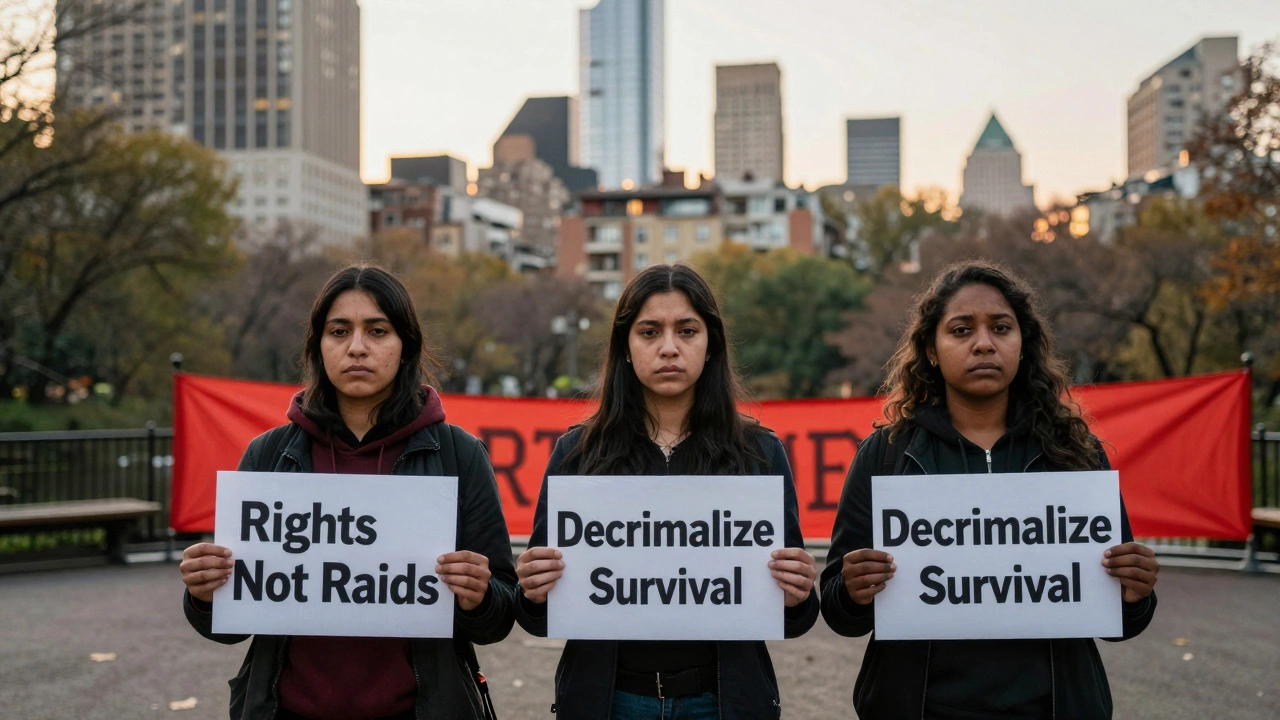
Dubai’s Red Light Reality
Dubai is often portrayed as a glittering, modern city - but beneath the luxury hotels and shopping malls, there’s a hidden economy built on fear. The so-called "dubai red light hotels" aren’t tourist attractions. They’re places where workers - mostly migrant women from Southeast Asia and Eastern Europe - are trapped by debt, language barriers, and the threat of deportation. Police don’t protect them. They target them. Employers don’t pay them fairly. They take their passports.
These workers aren’t criminals. They’re people trying to survive. Many came to Dubai hoping to send money home to sick parents or children in school. Instead, they’re caught in a system that treats their labor as a crime - not their exploitation.
And then there’s the term "sex uae" - a search term used by people looking for services, but also by journalists, activists, and workers themselves trying to find help. It’s not a brand. It’s a cry for visibility. It’s a sign that people are searching for something that’s being erased by law.
Equal Protection Isn’t Optional
The U.S. Supreme Court has ruled that the government can’t treat people differently under the law based on their occupation, gender, or moral character. But in practice, sex workers are denied that protection every day. They’re denied housing. They’re denied healthcare. They’re denied custody of their children. They’re denied justice when they’re assaulted.
Decriminalizing sex work isn’t about endorsing it. It’s about acknowledging that people are doing it - and that they deserve the same rights as everyone else. It’s about saying: if you can be robbed, raped, or beaten, you should be able to call the police. If you can be fired for doing your job, you should be able to sue. If you can be deported for working, you should be able to seek asylum.

What Change Looks Like
Real reform starts with listening to sex workers. Not activists. Not politicians. Not religious leaders. The people who do the work.
In Canada, after the 2014 law that criminalized clients, sex workers organized protests, filed lawsuits, and pushed for decriminalization. In 2022, a court ruled that the law violated their constitutional rights. In Australia, sex workers helped draft new regulations that reduced police harassment by 70% in just two years.
Change doesn’t come from moral panic. It comes from evidence. It comes from dignity. And it comes from recognizing that the law shouldn’t punish people for surviving.
What You Can Do
If you believe in equal protection under the law, then you believe in protecting everyone - even those society wants to ignore. You can support organizations led by sex workers, like the Global Network of Sex Work Projects or the Red Umbrella Fund. You can pressure lawmakers to stop funding raids and start funding housing, healthcare, and legal aid for sex workers. You can refuse to use the word "prostitute" - it’s dehumanizing. Use "sex worker."
And if you live in a place where sex work is criminalized - ask yourself: who does this law really protect? Is it the people who need safety? Or is it the people who profit from their silence?